#Im7 Intelligence
16 articles on Im7 Intelligence — behavioral finance and market psychology from IM7 Intelligence.
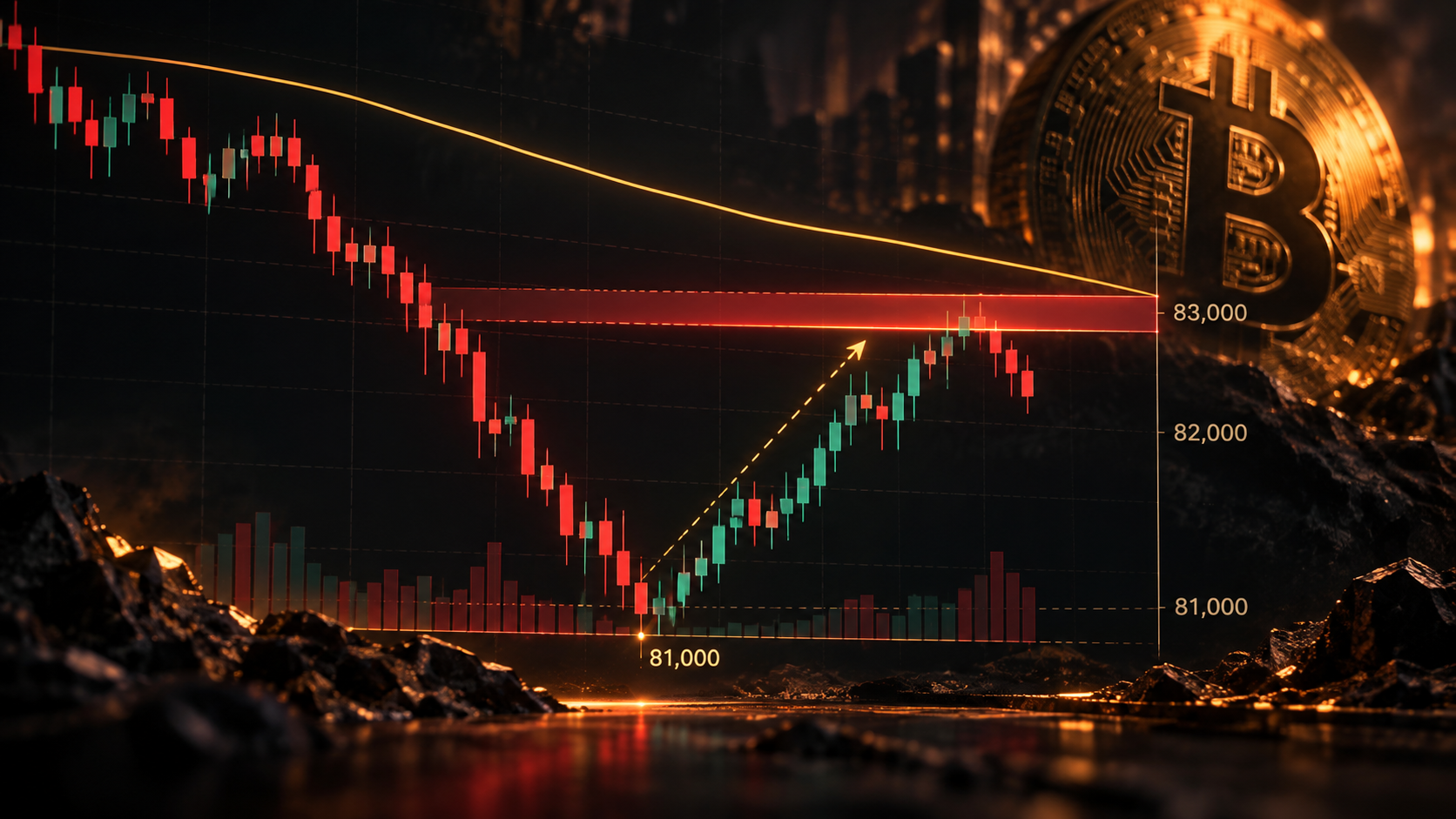
Bitcoin Bounced Again — Traders Called It Recovery
Bitcoin bounced from roughly $81.4K toward $83.2K, but the move stalled back near $82.5K before reclaiming the levels lost earlier in the week. The behavioral mistake is treating relief from selling as proof that buyers have regained control. Relief describes what stopped happening; recovery requires evidence of what buyers can actually accomplish.

Bitcoin's $81K Buy Wall Looked Safe — Until Price Reached It
Bitcoin traded through the highly visible $81K bid wall, exposing a common behavioral error: traders treated resting liquidity as a guaranteed defense. A visible bid can show where buyers might act, but only execution, absorption, and a sustained response reveal whether they actually took control.
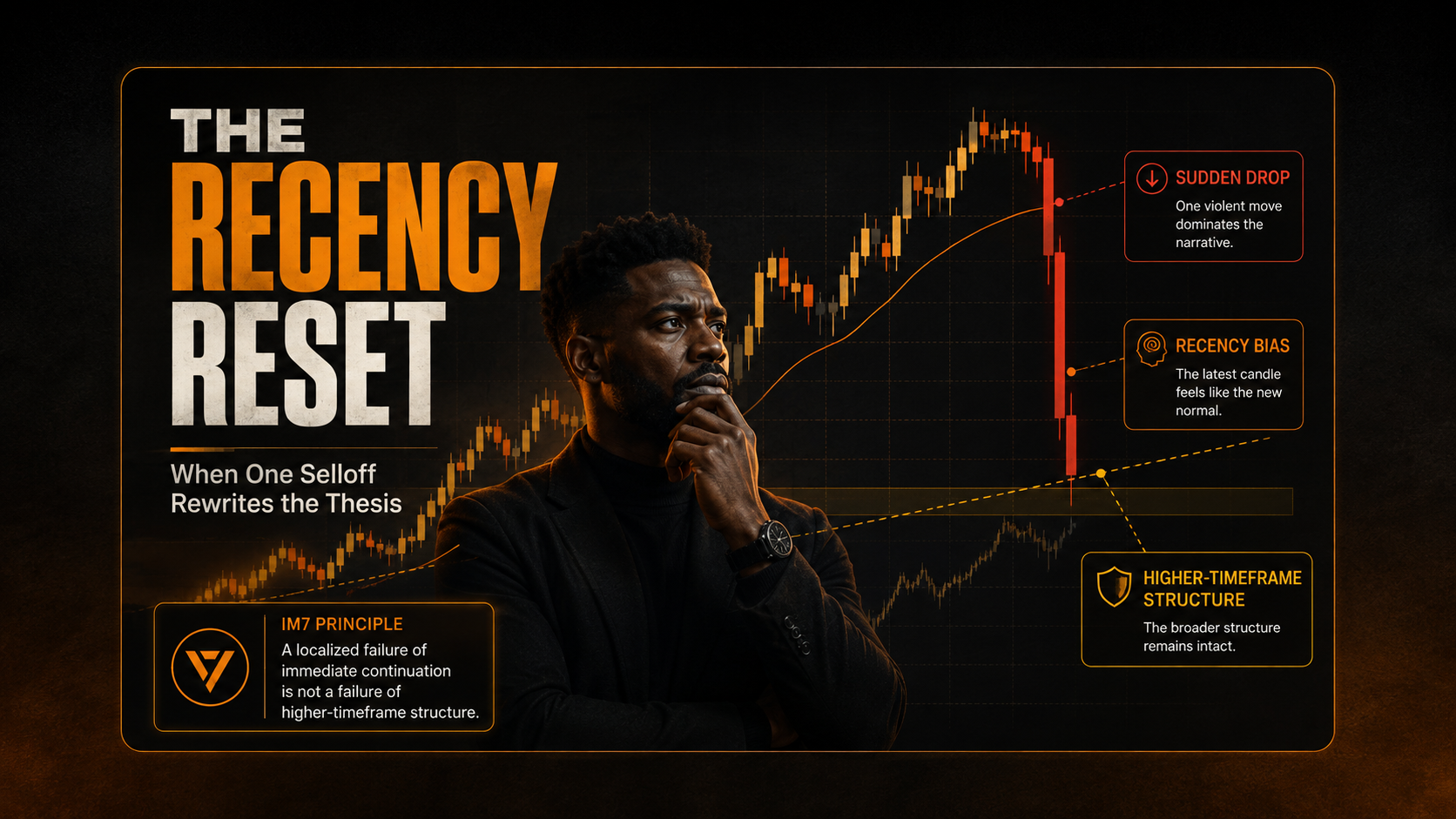
The Recency Reset: Why Bitcoin Traders Flip Their Entire Thesis After One Selloff
A single sharp adverse move can trigger a psychological shock that causes traders to abandon a higher-timeframe thesis too quickly. IM7 examines how recency bias turns one Bitcoin selloff into a complete rewrite of market conviction.
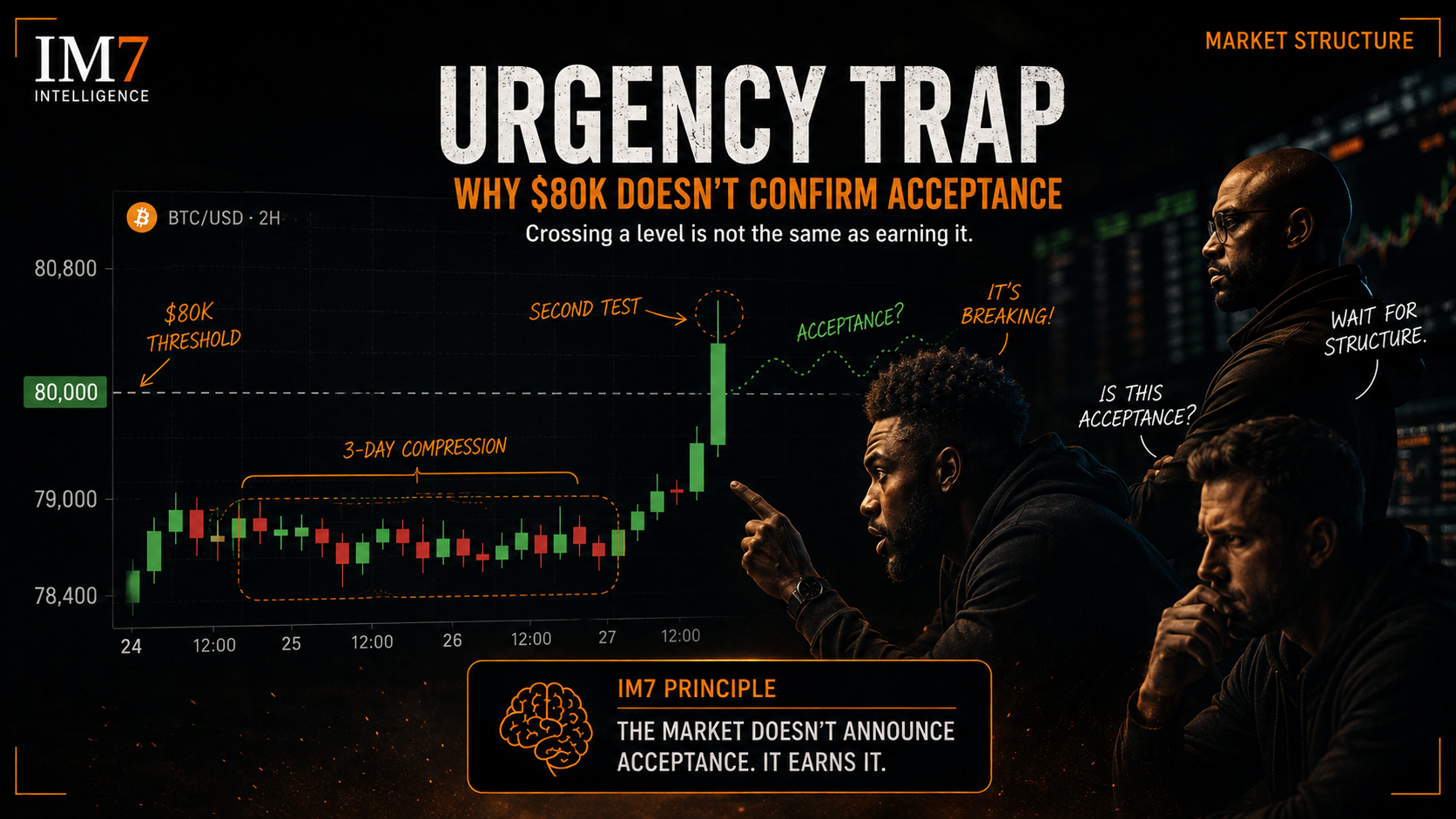
The Urgency Trap: Why Bitcoin Crossing $80K Does Not Confirm Acceptance
Bitcoin pushed back through $80,000 after days of compression, but the behavioral risk is shifting from impatience to urgency. IM7 examines why crossing a level is not the same as establishing acceptance above it.
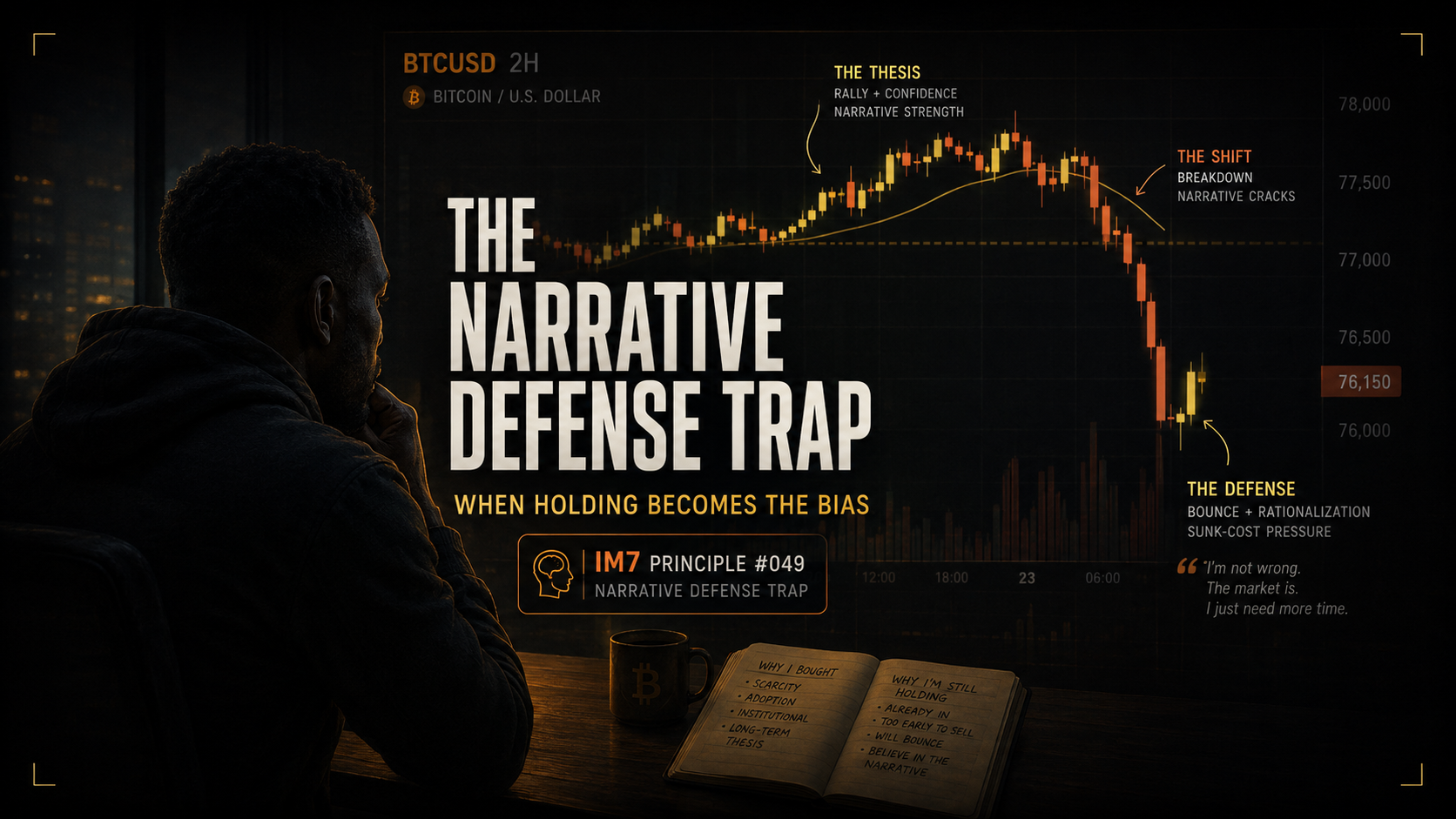
The Cost of Narrative Defense: When Holding Becomes the Bias
Bitcoin’s sharp pullback has turned yesterday’s narrative defense into a more expensive behavioral problem. When traders hold because exiting would make the loss feel real, sunk cost can replace objective reassessment.
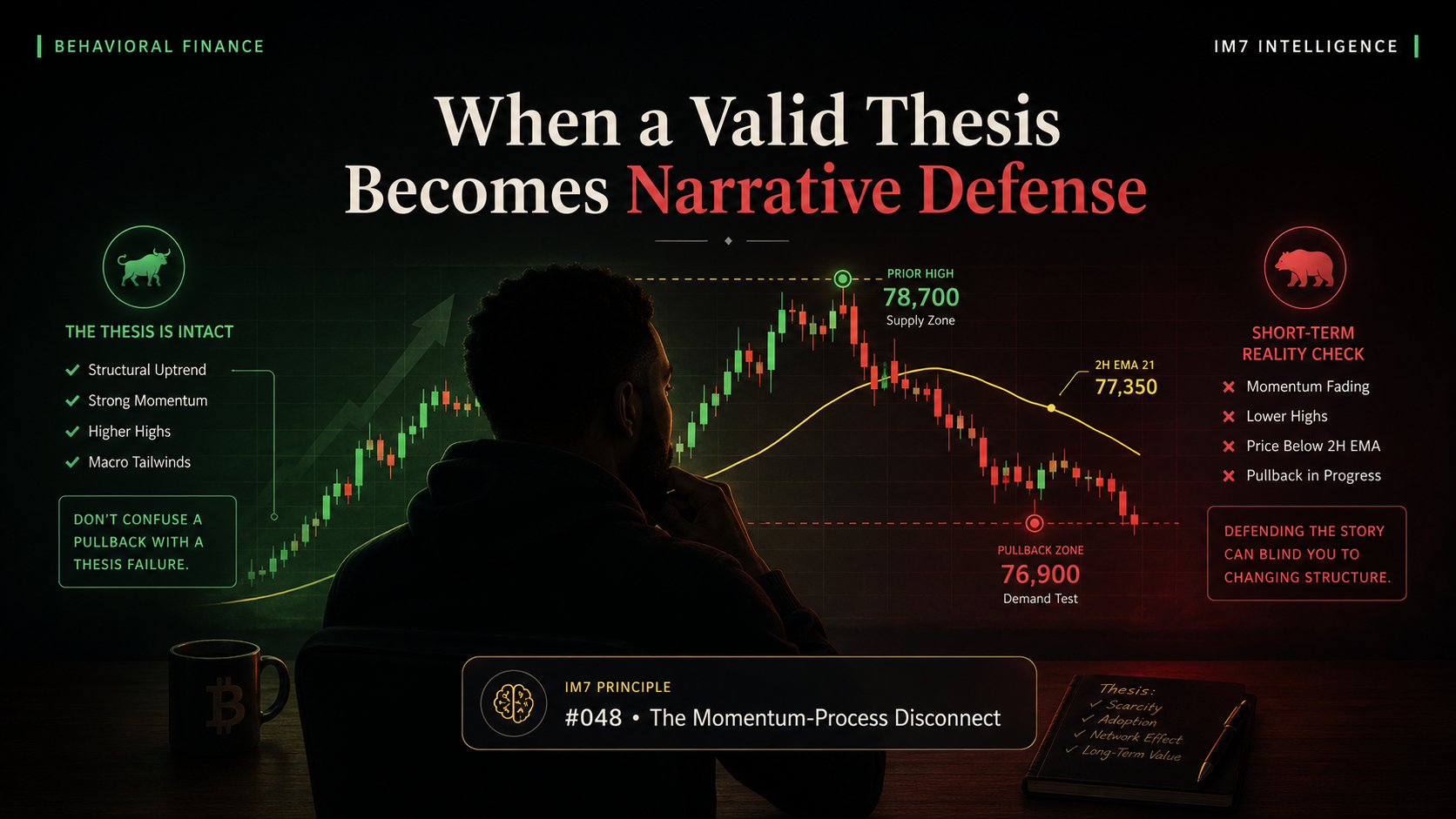
Yesterday’s Rally Was Real — Today’s Evidence Is Different
Bitcoin’s rally had real catalysts and genuine upside strength. But as price pulls back from recent highs, traders face a different behavioral test: whether they can update a previously rewarded thesis when new evidence begins to conflict with it.
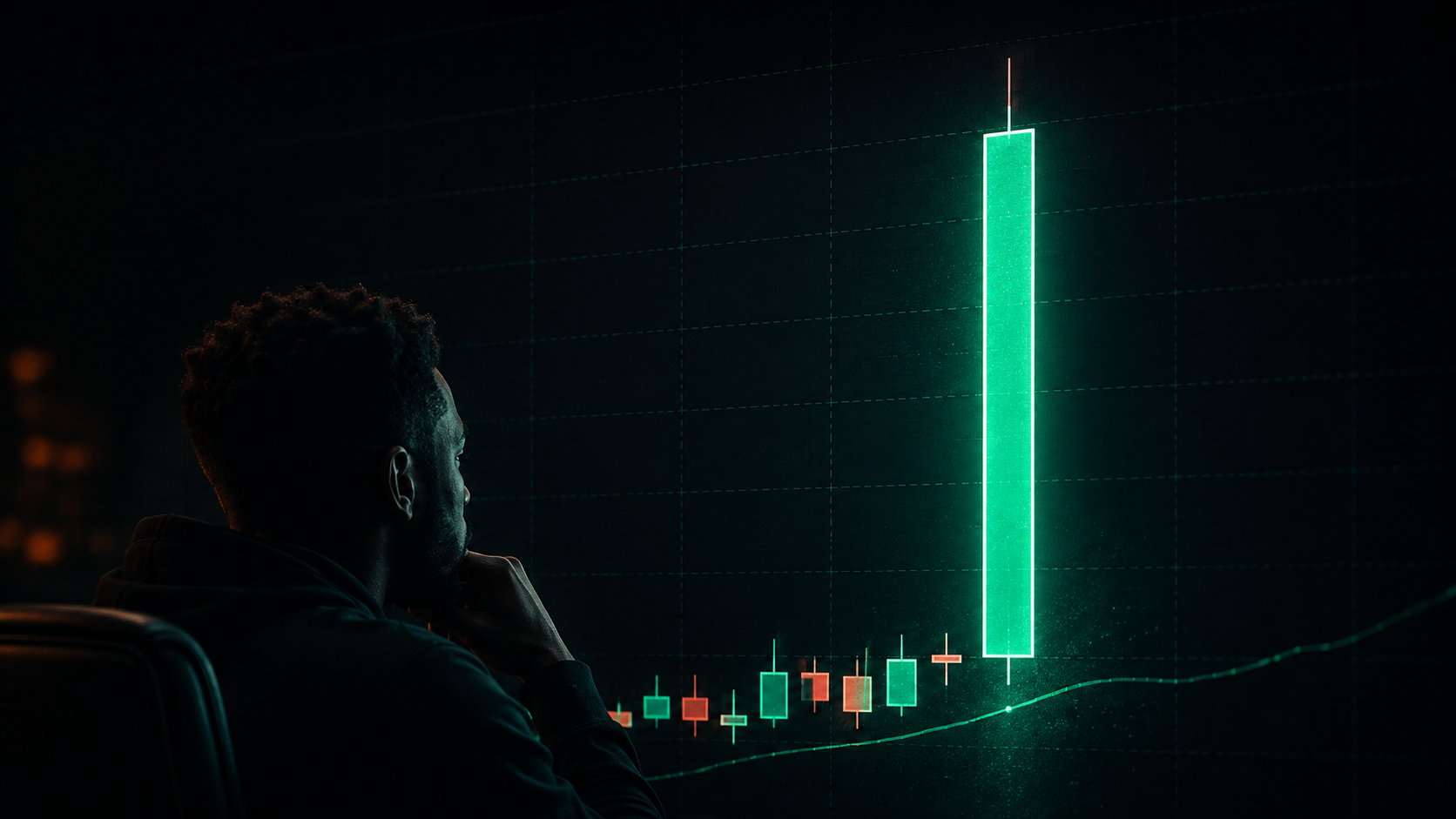
The Salience Trap: Why One Giant Bitcoin Candle Feels Like Certainty
A recent Bitcoin candle surged from below $70,000 to above $71,000 and visually dominated the surrounding chart. Large moves like this can become psychologically dominant, increasing salience, urgency, and the temptation to mistake visual magnitude for confirmation.
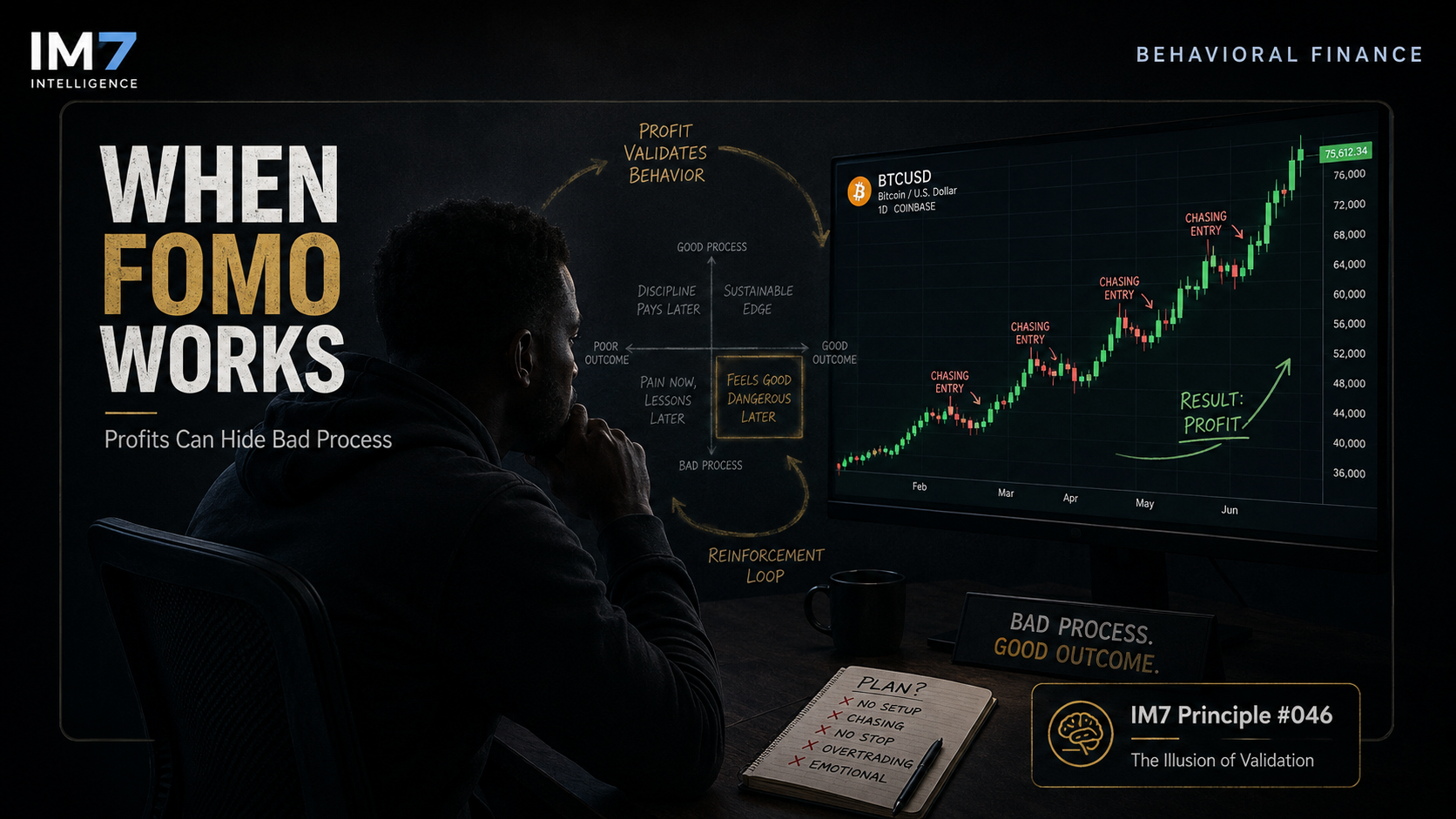
When FOMO Works: How Profitable Trades Reinforce Bad Process
When a rushed Bitcoin entry makes money, the profitable outcome can reinforce the wrong lesson. Outcome bias can turn an impulsive decision into a behavior the trader becomes more willing to repeat—even when the original process was weak.
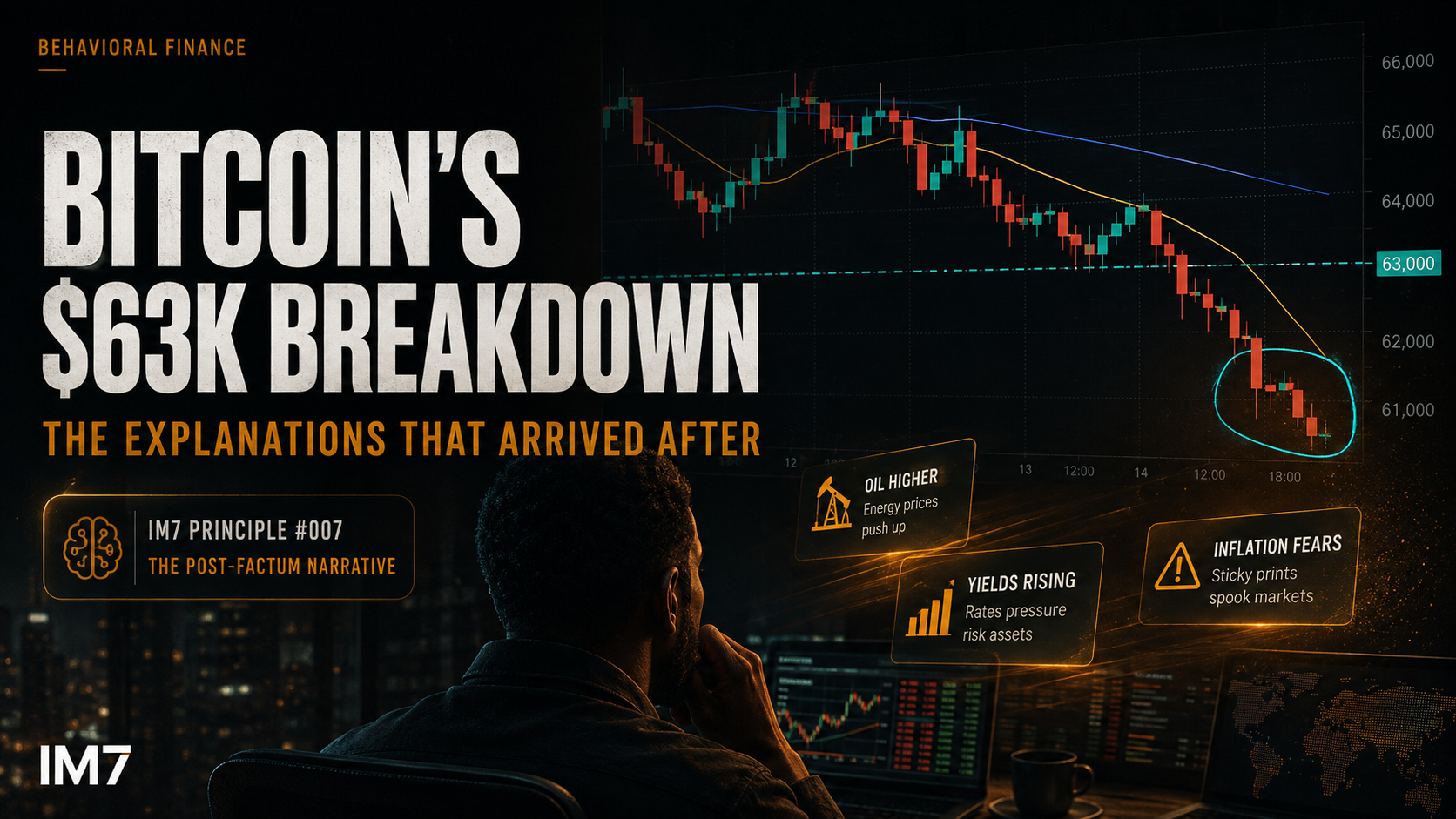
Bitcoin’s $63K Breakdown: Why the Explanations Came After
Bitcoin’s move below $63,000 triggered an immediate wave of explanations — macro pressure, yields, oil, market structure. The behavioral risk is that once the outcome is known, those explanations can feel more obvious and predictive than they actually were beforehand. The real test is separating post-move understanding from genuine pre-move edge.
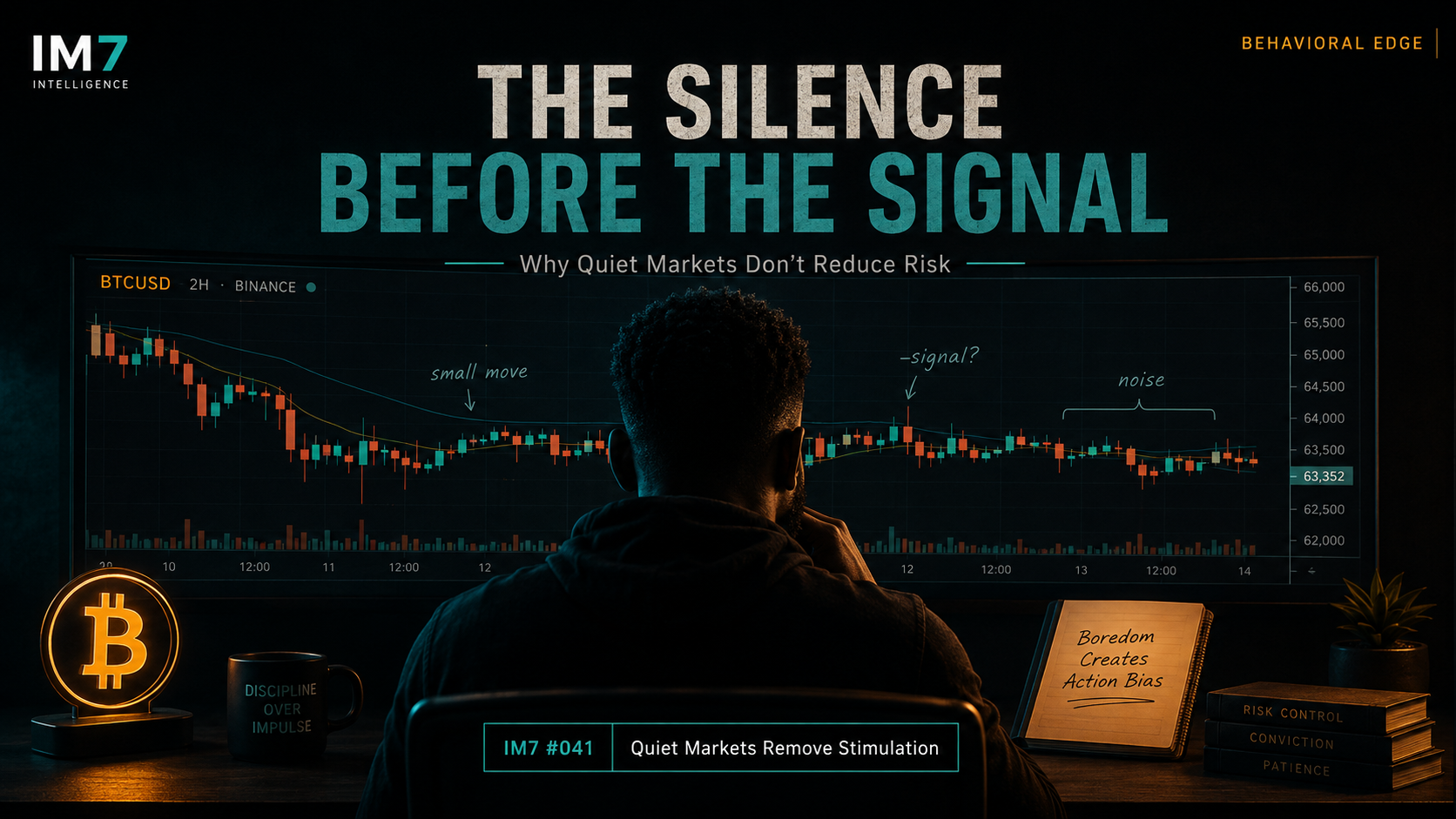
The Silence Before the Signal: Why Quiet Markets Don't Reduce Risk
Bitcoin perpetual trading activity recently fell to multi-year lows, creating an environment that can feel deceptively safe. But low stimulation changes trader behavior. Boredom, impatience, and action bias can lower setup standards and turn ordinary market noise into perceived opportunity. The professional challenge is not predicting what happens next, but recognizing when the urge to act is stronger than the evidence.

One Green Candle Doesn't Confirm a Recovery
One powerful green candle can change how traders feel long before it changes the market itself. Relief often arrives before confirmation, causing investors to mistake a temporary rebound for the beginning of a new trend. This article explores why our brains trust dramatic price moves more than the quieter evidence that follows.

Outcome Bias: Why Good Outcomes Can Reward Bad Decisions
A profitable trade does not always reflect a sound decision. Outcome Bias causes traders to judge the quality of their process by the result instead of the evidence that supported it. When fortunate outcomes reinforce flawed decision-making, the next mistake often becomes larger, more confident, and more expensive.

When Conviction Stops Curiosity: Belief Perseverance in Trading
A conviction, once formed, often feels like certainty. Traders stop gathering new evidence because the market appears to validate their original thesis. The real danger isn't developing conviction—it's allowing conviction to replace objective inquiry when conditions begin to change.

When Lower Highs Whisper: The Anchoring Bias Traders Miss.
Markets often reveal a change in character through small structural shifts long before a reversal becomes obvious. Traders miss those signals when they judge each candle separately, anchor to the previous high, and fail to recognize the sequence forming in front of them.

When Recovery Becomes the Risk: Why Relief Can Lead to Overconfidence
A sharp recovery often changes market psychology faster than market structure. Relief becomes confidence, confidence becomes certainty, and traders begin taking larger risks before objective confirmation arrives. The recovery doesn't erase the risk—it simply makes it harder to see.

The Silent Erosion: How Sideways Bitcoin Markets Quietly Destroy Trader Confidence
After a strong breakout, traders often expect momentum to continue. But when Bitcoin begins moving sideways, confidence slowly gives way to doubt. This behavioral analysis explores how quiet consolidation erodes conviction, why traders mistake inactivity for safety, and how psychological biases—not price alone—shape decision-making during periods of uncertainty.