Behavioral intelligence for markets that move on emotion.
Long-form research on psychology, liquidity, and sentiment — organized as a permanent library of disciplines rather than a feed.

Market Psychology
How emotion, narrative, and crowd behavior move price — before fundamentals catch up.

Bitcoin Traders Hit the Gas and Bought Crash Insurance
Bitcoin rejected $84K, dropped toward $82.3K, and bounced back near $83K. Meanwhile, a derivatives snapshot showed traders adding leveraged exposure as demand for downside protection increased. IM7 Intelligence examines the Conviction–Insurance Split—and why bullish positioning doesn't necessarily mean confidence without fear.
Bitcoin Bounced Again — Traders Called It Recovery
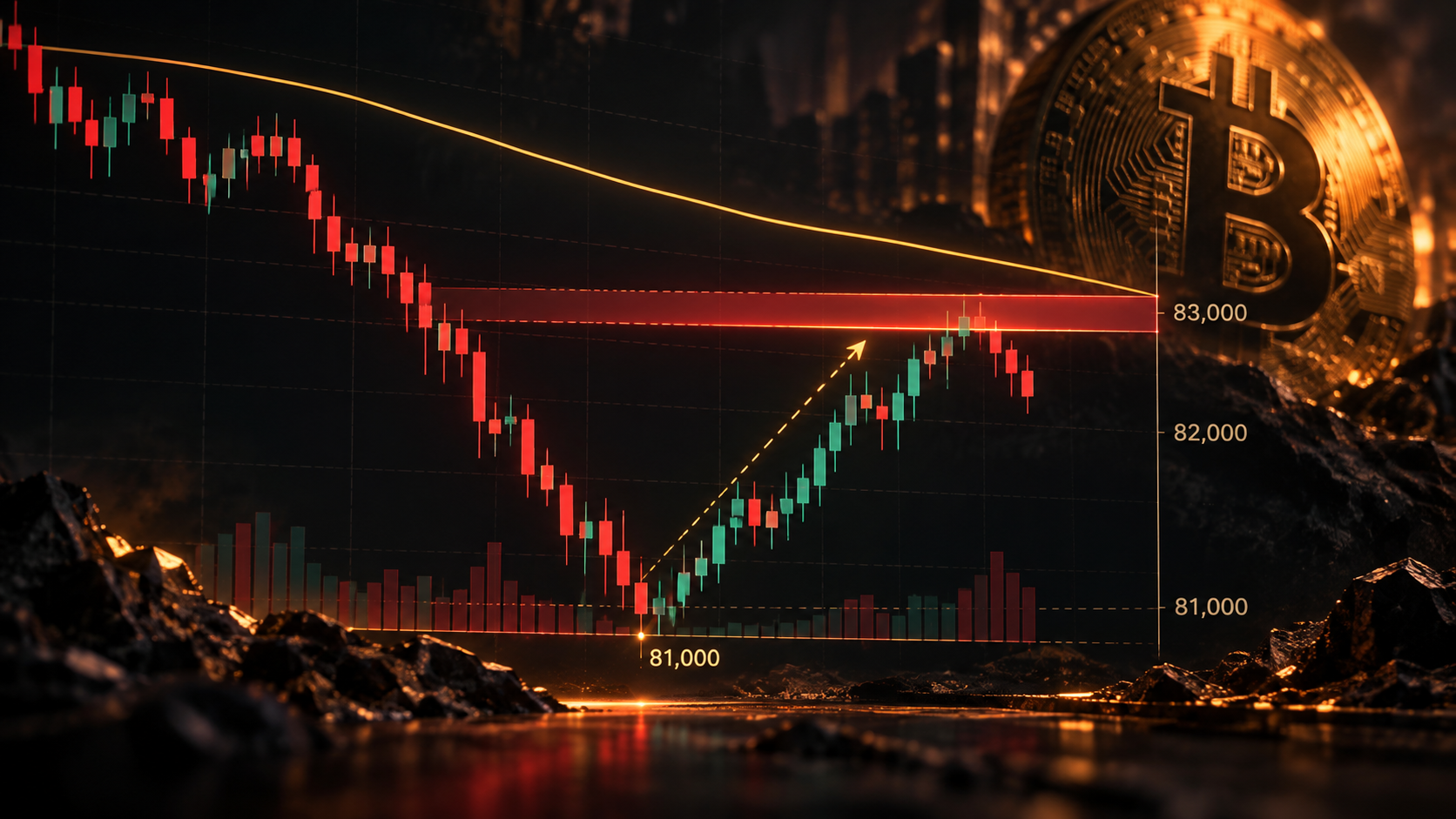
Bitcoin bounced from roughly $81.4K toward $83.2K, but the move stalled back near $82.5K before reclaiming the levels lost earlier in the week. The behavioral mistake is treating relief from selling as proof that buyers have regained control. Relief describes what stopped happening; recovery requires evidence of what buyers can actually accomplish.

Bitcoin's $81K Buy Wall Looked Safe — Until Price Reached It
Bitcoin traded through the highly visible $81K bid wall, exposing a common behavioral error: traders treated resting liquidity as a guaranteed defense. A visible bid can show where buyers might act, but only execution, absorption, and a sustained response reveal whether they actually took control.

Bitcoin Liquidated $550M in Longs — The Bottom Was Assumed
Bitcoin wiped out roughly $550M in long positions, yet the rebound failed to hold $84K. The liquidation removed forced sellers — but traders treated their disappearance as proof that durable buyers had arrived.
Bitcoin
Bitcoin-specific intelligence: cycles, on-chain signals, holder behavior, and macro positioning.
Bitcoin Traders Hit the Gas and Bought Crash Insurance
Bitcoin rejected $84K, dropped toward $82.3K, and bounced back near $83K. Meanwhile, a derivatives snapshot showed traders adding leveraged exposure as demand for downside protection increased. IM7 Intelligence examines the Conviction–Insurance Split—and why bullish positioning doesn't necessarily mean confidence without fear.
Bitcoin Bounced Again — Traders Called It Recovery
Bitcoin bounced from roughly $81.4K toward $83.2K, but the move stalled back near $82.5K before reclaiming the levels lost earlier in the week. The behavioral mistake is treating relief from selling as proof that buyers have regained control. Relief describes what stopped happening; recovery requires evidence of what buyers can actually accomplish.
Bitcoin's $81K Buy Wall Looked Safe — Until Price Reached It
Bitcoin traded through the highly visible $81K bid wall, exposing a common behavioral error: traders treated resting liquidity as a guaranteed defense. A visible bid can show where buyers might act, but only execution, absorption, and a sustained response reveal whether they actually took control.
Bitcoin Liquidated $550M in Longs — The Bottom Was Assumed
Bitcoin wiped out roughly $550M in long positions, yet the rebound failed to hold $84K. The liquidation removed forced sellers — but traders treated their disappearance as proof that durable buyers had arrived.
Trader Mistakes
Recurring errors that cost traders capital — and the behavioral patterns behind them.
Bitcoin Bounced Again — Traders Called It Recovery
Bitcoin bounced from roughly $81.4K toward $83.2K, but the move stalled back near $82.5K before reclaiming the levels lost earlier in the week. The behavioral mistake is treating relief from selling as proof that buyers have regained control. Relief describes what stopped happening; recovery requires evidence of what buyers can actually accomplish.
Bitcoin's $81K Buy Wall Looked Safe — Until Price Reached It
Bitcoin traded through the highly visible $81K bid wall, exposing a common behavioral error: traders treated resting liquidity as a guaranteed defense. A visible bid can show where buyers might act, but only execution, absorption, and a sustained response reveal whether they actually took control.
Bitcoin Liquidated $550M in Longs — The Bottom Was Assumed
Bitcoin wiped out roughly $550M in long positions, yet the rebound failed to hold $84K. The liquidation removed forced sellers — but traders treated their disappearance as proof that durable buyers had arrived.
Bitcoin Got More Proof — And a Worse Entry
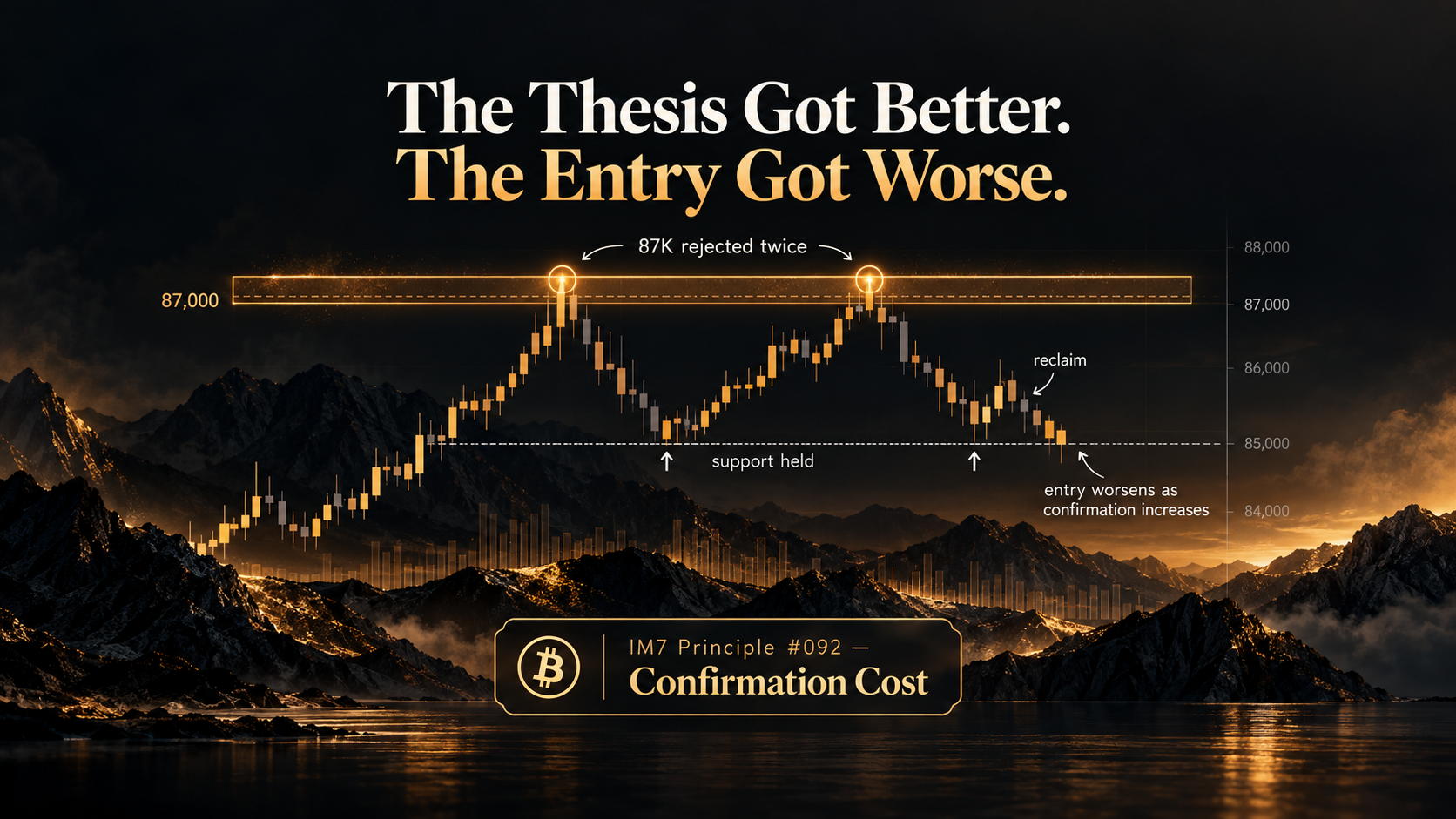
Bitcoin’s evidence improved as price climbed back toward the $87K area, but the trade location deteriorated at the same time. The behavioral trap is Confirmation Cost: waiting for more certainty can improve conviction while shrinking the margin for error. Better evidence does not automatically mean a better entry.
Sentiment Analysis
Reading positioning, social signals, and crowd consensus to anticipate inflection points.
Bitcoin Below $77K: When Weekend Silence Looked Like Safety
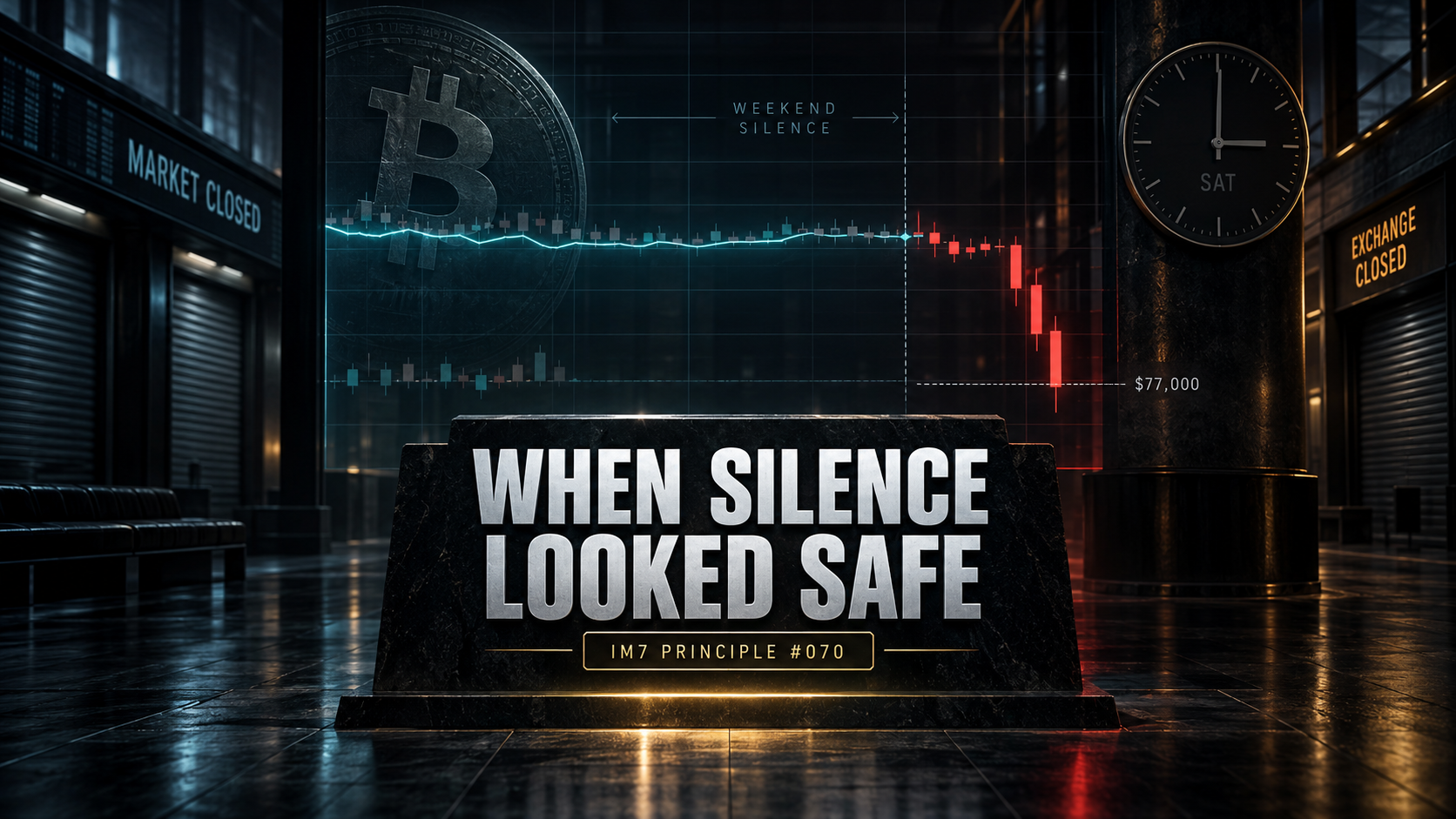
Bitcoin’s quiet weekend encouraged traders to believe the escalating oil and shipping risks had already been absorbed. But with major traditional markets closed, the silence reflected incomplete participation—not confirmed resilience.
Bitcoin ETF Outflows: Four Red Days Didn’t Carry Equal Weight
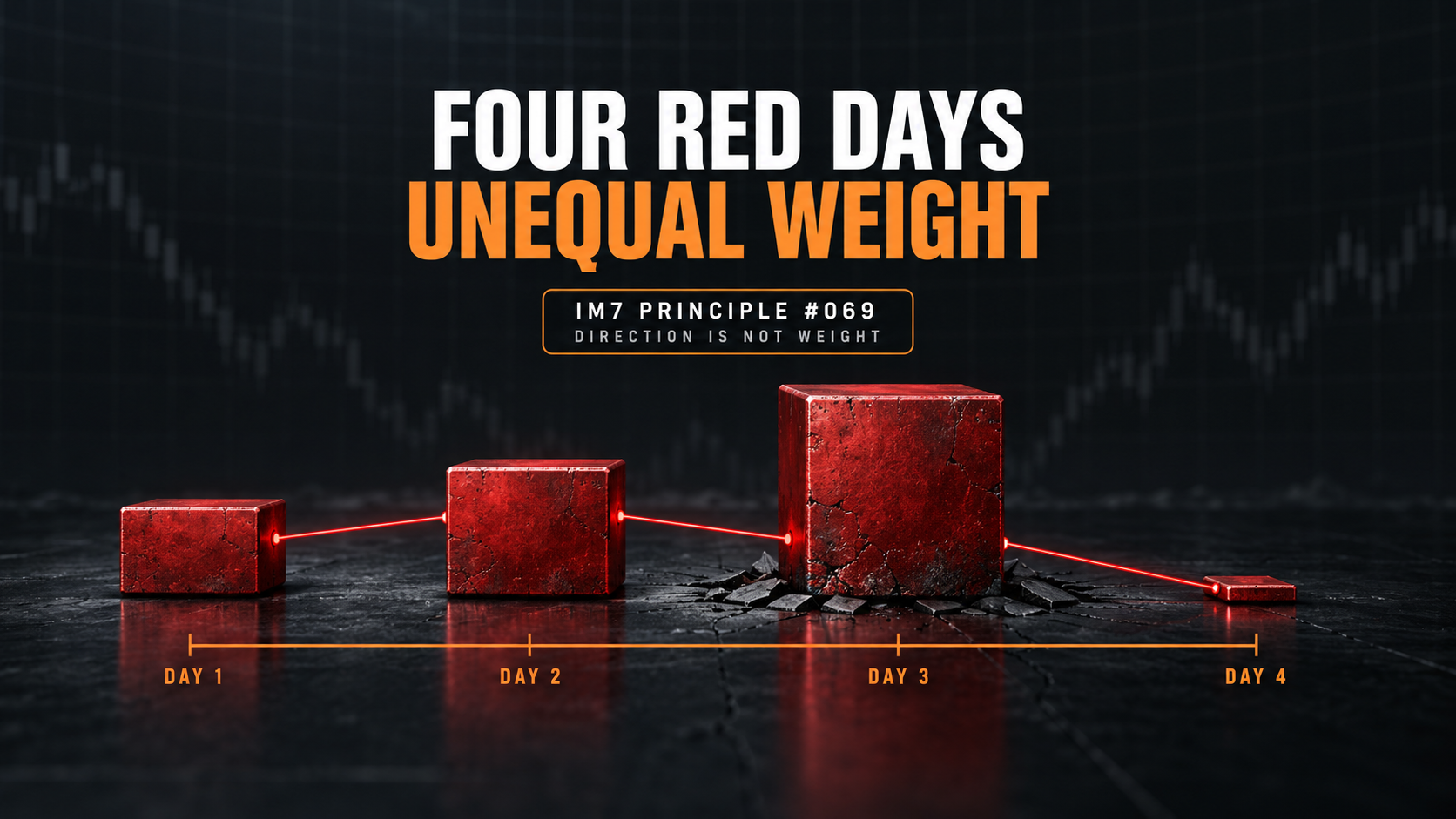
Bitcoin ETFs recorded four consecutive outflow days, but the final outflow collapsed to just $13.2 million after a $282.7 million withdrawal. The streak looked increasingly bearish while the force behind it was sharply fading—revealing why direction without magnitude can mislead traders.

Bitcoin Rallied After Hot CPI: When Bad News Stops Working
Hot CPI, rising yields, and higher rate-hike odds appeared bearish for Bitcoin—yet BTC reversed its initial flush and reclaimed $79K. The reaction exposed the danger of trading a headline without watching whether price continues to obey it.

When Sentiment Flips Before Evidence: The Gap Between Feeling and Fact
A sharp market rally can flip sentiment faster than the underlying evidence changes. Traders may begin positioning for continuation while broader structural confirmation remains incomplete. That gap between feeling and fact reveals a core behavioral risk: sentiment can turn long before the evidence justifies conviction.
Behavioral Finance
The academic frameworks behind market irrationality, applied to digital assets.
Bitcoin Traders Hit the Gas and Bought Crash Insurance
Bitcoin rejected $84K, dropped toward $82.3K, and bounced back near $83K. Meanwhile, a derivatives snapshot showed traders adding leveraged exposure as demand for downside protection increased. IM7 Intelligence examines the Conviction–Insurance Split—and why bullish positioning doesn't necessarily mean confidence without fear.
Bitcoin Bounced Again — Traders Called It Recovery
Bitcoin bounced from roughly $81.4K toward $83.2K, but the move stalled back near $82.5K before reclaiming the levels lost earlier in the week. The behavioral mistake is treating relief from selling as proof that buyers have regained control. Relief describes what stopped happening; recovery requires evidence of what buyers can actually accomplish.
Bitcoin's $81K Buy Wall Looked Safe — Until Price Reached It
Bitcoin traded through the highly visible $81K bid wall, exposing a common behavioral error: traders treated resting liquidity as a guaranteed defense. A visible bid can show where buyers might act, but only execution, absorption, and a sustained response reveal whether they actually took control.
Bitcoin Liquidated $550M in Longs — The Bottom Was Assumed
Bitcoin wiped out roughly $550M in long positions, yet the rebound failed to hold $84K. The liquidation removed forced sellers — but traders treated their disappearance as proof that durable buyers had arrived.
Market Structure
Liquidity, order flow, ETF plumbing, and the mechanics that shape how price actually moves.
Bitcoin Traders Hit the Gas and Bought Crash Insurance
Bitcoin rejected $84K, dropped toward $82.3K, and bounced back near $83K. Meanwhile, a derivatives snapshot showed traders adding leveraged exposure as demand for downside protection increased. IM7 Intelligence examines the Conviction–Insurance Split—and why bullish positioning doesn't necessarily mean confidence without fear.
Bitcoin Bounced Again — Traders Called It Recovery
Bitcoin bounced from roughly $81.4K toward $83.2K, but the move stalled back near $82.5K before reclaiming the levels lost earlier in the week. The behavioral mistake is treating relief from selling as proof that buyers have regained control. Relief describes what stopped happening; recovery requires evidence of what buyers can actually accomplish.
Bitcoin's $81K Buy Wall Looked Safe — Until Price Reached It
Bitcoin traded through the highly visible $81K bid wall, exposing a common behavioral error: traders treated resting liquidity as a guaranteed defense. A visible bid can show where buyers might act, but only execution, absorption, and a sustained response reveal whether they actually took control.
Bitcoin Liquidated $550M in Longs — The Bottom Was Assumed
Bitcoin wiped out roughly $550M in long positions, yet the rebound failed to hold $84K. The liquidation removed forced sellers — but traders treated their disappearance as proof that durable buyers had arrived.